Sleep Apnea Diagnosis
What It Is
Sleep apnea diagnosis at our practice is fundamentally different from what you may have experienced elsewhere. Too many patients come to us after being "diagnosed in 5 minutes" by a provider who barely looked up from their chart. That is not how Dr. Desilva practices.
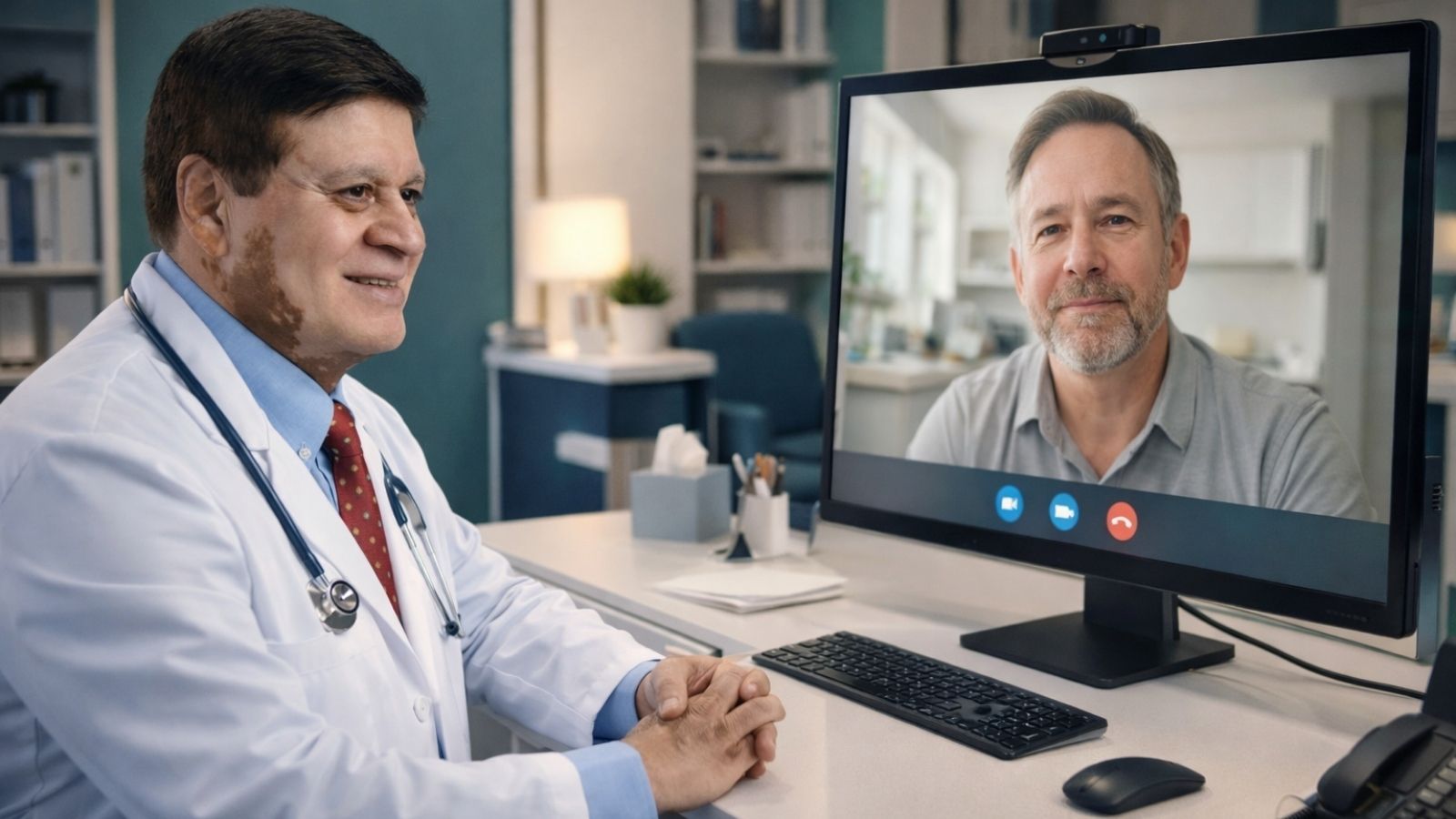
A proper sleep apnea evaluation takes time. Dr. Desilva listens to your story, asks questions about your symptoms and lifestyle, reviews your complete medical history, and performs a focused physical examination. This thorough approach ensures that nothing is missed — and that your diagnosis accurately reflects your condition.
Sleep apnea is not a one-size-fits-all diagnosis. Obstructive sleep apnea, central sleep apnea, and complex sleep apnea each require different treatment approaches. Getting the diagnosis right from the start makes all the difference.
What Dr. Desilva Assesses
Symptom Review
Detailed discussion of your sleep patterns, daytime fatigue, snoring, witnessed apneas, morning headaches, and how poor sleep affects your daily life.
Medical History
Comprehensive review of your health history including cardiovascular conditions, diabetes, obesity, thyroid disorders, and medications that may affect sleep.
Comorbidity Assessment
Evaluation of conditions commonly linked with sleep apnea — hypertension, atrial fibrillation, stroke risk, depression, and metabolic syndrome.
Physical & Anatomical Exam
Assessment of airway anatomy, neck circumference, jaw structure, nasal passages, and tongue position to identify structural contributors to obstruction.
Screening Tools and Their Limitations
Standard sleep apnea screening questionnaires are a starting point — but they are far from perfect. Dr. Desilva uses them as one tool among many, never as the sole basis for diagnosis.
Important for Women
- Standard screening questionnaires like STOP-BANG were developed primarily using male patient data.
- Women often present with different symptoms — fatigue, insomnia, and mood changes rather than classic loud snoring.
- A negative screening score does not rule out sleep apnea, especially in women and younger patients.
- Dr. Desilva considers the full clinical picture, not just a questionnaire score.
Next Steps After Your Evaluation
Consultation
Meet with Dr. Desilva for a thorough evaluation of your symptoms, history, and risk factors.
Sleep Study
Based on your evaluation, Dr. Desilva will recommend either a home sleep test or an in-lab study.
Results Review
Review your results together with Dr. Desilva, who will explain findings in clear, understandable terms.
Treatment Plan
Receive a personalized treatment plan tailored to your specific type and severity of sleep apnea.
Who Should Seek a Diagnosis?
If you experience loud snoring, witnessed breathing pauses during sleep, excessive daytime sleepiness, morning headaches, or difficulty concentrating, it may be time for a proper sleep evaluation. Sleep apnea also commonly coexists with high blood pressure, diabetes, and heart disease — so if you have these conditions and sleep poorly, a thorough diagnosis is especially important.
Don't Settle for a 5-Minute Diagnosis
You deserve a provider who takes the time to understand your unique situation. Schedule a thorough sleep apnea evaluation with Dr. Desilva.
Prefer to talk? Call (888) 886-2126