CPAP Mask Problems Are Usually Fixable: What to Try Before You Quit
.jpg?dpl=dpl_2rbzr4Leuvt5PZSHajaHsnCjJENu) Dr. Bertrand R. DesilvaMD, FCCP, DABSM6 min read
Dr. Bertrand R. DesilvaMD, FCCP, DABSM6 min read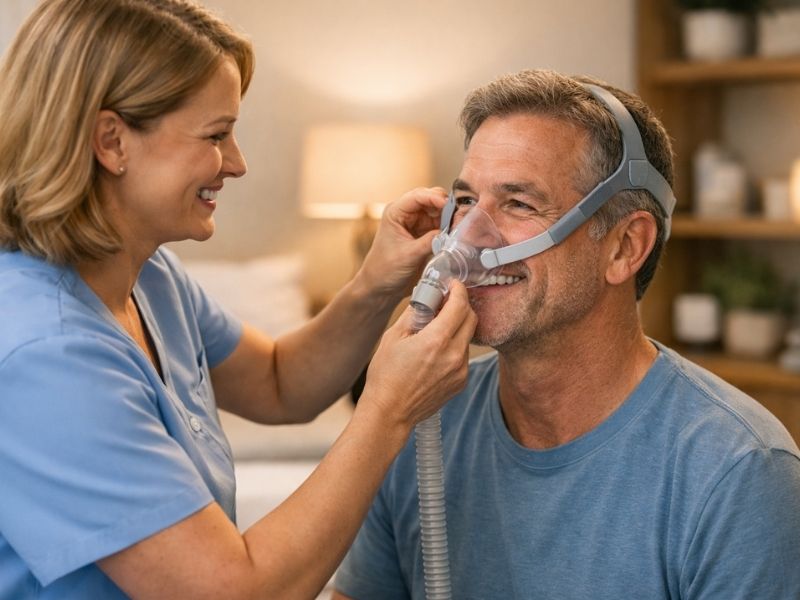
Many people who struggle with CPAP reach the same conclusion too quickly:
"I guess CPAP just isn't for me."
Sometimes that is true. Often, it is not.
CPAP can be difficult at first. Mask discomfort, air leaks, pressure intolerance, dry mouth, nasal congestion, skin irritation, claustrophobia, and noise are real problems. But those problems do not automatically mean CPAP cannot work. In many cases, they mean the setup needs to be adjusted, the mask is wrong, the pressure settings need review, or the patient was not given enough support.
In our practice, we treat CPAP problems as solvable until proven otherwise.
Struggling with CPAP is not failure. It is information.
CPAP Works Best When It Is Actually Usable
CPAP works by delivering pressurized air through a mask to help keep the airway open while you sleep. NHLBI describes PAP therapy as one of the common treatments for sleep apnea and explains that CPAP provides constant air pressure to help keep the airway open during sleep. (NHLBI)
But a treatment can only help if you can actually use it.
That is where many patients are failed by the system. Too often, a machine is shipped to the home, the patient is given minimal instruction, and weeks later someone checks whether the machine was used. That is not CPAP management. That is equipment delivery.
Our CPAP program is built around fitting, education, troubleshooting, and follow-up. We use hands-on mask fitting, test-drive sessions, weekly CPAP teaching classes, support groups, travel guidance, and ongoing care because CPAP success is usually built through support — not just a prescription.
Problem 1: The Mask Leaks
Mask leaks are one of the most common reasons people quit.
A leaking mask can blow air into your eyes, wake your partner, dry your mouth, create noise, or make the machine increase pressure unnecessarily. The instinct is often to tighten the straps, but overtightening can make leaks worse and cause skin injury.
Better solutions may include trying a different mask style, adjusting the mask while lying down with the machine running, replacing worn cushions, checking for mouth breathing, or using a CPAP pillow if side-sleeping disrupts the seal.
NHLBI recommends adjusting the mask while lying down with the machine on and notes that patients may need a different device, humidifier chamber, or auto-adjusting/bilevel pressure settings if problems persist. (NHLBI)
In our practice, we pay close attention to fit because a poorly fitted mask can turn an effective therapy into a nightly source of frustration.
Problem 2: The Pressure Feels Too Strong
Some patients feel like they are fighting the machine.
The pressure may feel too intense at the beginning of the night. Others feel uncomfortable exhaling against pressure. Some wake up bloated, anxious, or unable to fall asleep with the machine running.
That does not always mean CPAP is the wrong treatment. It may mean the settings need to be reviewed.
Depending on the situation, we may consider ramp adjustments, pressure relief settings, APAP, bilevel therapy, or a deeper review of the CPAP data. The goal is not to force you to tolerate settings that feel wrong. The goal is to make the treatment effective and usable.
Problem 3: Dry Mouth, Dry Nose, or Congestion
Dry mouth and nasal congestion are common CPAP complaints.
Possible fixes include heated humidification, heated tubing, nasal saline, allergy treatment, mask changes, or evaluation for mouth breathing. NHLBI lists congestion, dry eyes, dry mouth, nosebleeds, and runny nose as possible PAP side effects and directs patients to work with their provider when problems occur. (NHLBI)
Do not assume dryness is just part of CPAP. In many cases, it is adjustable.
Problem 4: Skin Irritation or Nasal Bridge Sores
Skin irritation is not a minor issue when it causes someone to stop treatment.
A mask that is too tight, the wrong shape, or poorly fitted can create pressure sores, especially on the nasal bridge. Our CPAP program specifically monitors for early signs of skin irritation and uses fit adjustments and protective products when needed.
Prevention matters. Once a sore develops, CPAP becomes harder to use, and the patient is more likely to abandon treatment.
Problem 5: Claustrophobia or Anxiety
For some people, CPAP does not feel merely uncomfortable. It feels threatening.
A mask over the face can trigger panic, claustrophobia, or trauma responses. That reaction should not be dismissed or minimized. It needs a slower, more careful approach.
Our practice uses gradual, trauma-informed mask desensitization for patients who feel anxious or trapped with CPAP. That may mean practicing with the mask while awake, starting without pressure, using the least restrictive mask possible, and increasing exposure slowly.
The goal is not to tell someone to "just get used to it." The goal is to help the nervous system learn that the mask is safe.
Problem 6: You Were Never Properly Educated
Many CPAP failures are not patient failures. They are support failures.
If you were handed a machine without real education, fitted quickly, or left alone to troubleshoot leaks and pressure problems, you did not receive adequate CPAP management.
Good CPAP care should include mask fitting, pressure review, education, comfort troubleshooting, data monitoring, and ongoing follow-up. Our follow-up care model includes monitoring CPAP usage, mask leak rates, and residual apnea events so we can catch problems early instead of waiting for treatment to fail.
When to Consider Alternatives
Sometimes CPAP can be fixed. Sometimes it genuinely is not the right fit.
If mask fitting, pressure changes, humidification, desensitization, and follow-up support have all been tried and you still cannot use CPAP, other options may be appropriate. Oral appliance therapy, positional therapy, lifestyle changes, surgical evaluation, or other treatment paths may be considered depending on your sleep apnea severity, anatomy, medical history, and treatment goals.
The important point is this: do not quit silently.
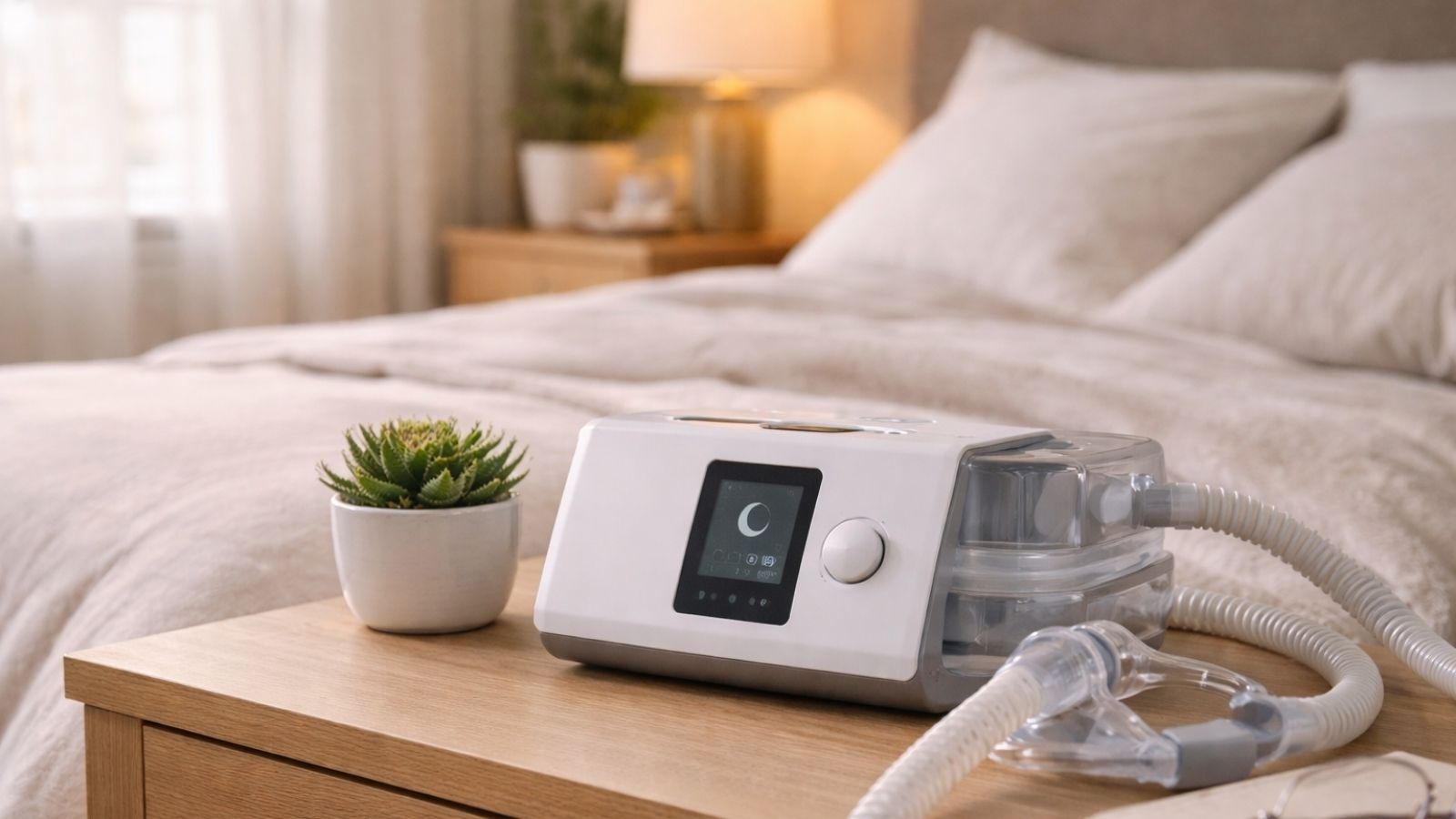
If your CPAP machine is sitting unused on your nightstand, the next step is not guilt. The next step is a better evaluation.
The Bottom Line
CPAP problems are common. Many are fixable.
Before deciding that CPAP "doesn't work," ask whether the mask was properly fitted, whether the settings were reviewed, whether comfort problems were addressed, and whether anyone looked at your data.
You deserve more than a machine in a box. You deserve a treatment plan that is adjusted to the way you actually sleep.
Meet Your Sleep Specialist
Dr. Bertrand R. Desilva, MD, FCCP, DABSM
Board-certified sleep medicine specialist with 35+ years of clinical experience. Education-first, patient-centered care that takes the time to get it right.
About Dr. Desilva