Sleep Apnea and High Blood Pressure: The Nighttime Problem Behind Daytime Numbers
.jpg?dpl=dpl_2rbzr4Leuvt5PZSHajaHsnCjJENu) Dr. Bertrand R. DesilvaMD, FCCP, DABSM5 min read
Dr. Bertrand R. DesilvaMD, FCCP, DABSM5 min read
High blood pressure is usually treated during the day.
Medication. Diet. Exercise. Salt reduction. Stress management. Weight management. Regular checkups.
All of those can matter. But for some patients, an important part of the problem happens at night — while they are asleep.
Obstructive sleep apnea can repeatedly interrupt breathing, lower oxygen levels, fragment sleep, and activate the body's stress response. Over time, that nightly strain can contribute to cardiovascular risk.
If your blood pressure is difficult to control and you also snore, wake up tired, have morning headaches, or feel exhausted despite sleeping enough hours, sleep apnea deserves serious consideration.
What Happens During Sleep Apnea
In obstructive sleep apnea, the upper airway repeatedly narrows or collapses during sleep. Breathing becomes reduced or temporarily blocked. Oxygen can drop. The brain responds by triggering a brief arousal to reopen the airway.
You may not remember waking up. But your body does.
On our sleep apnea education page, we describe this cycle as airway narrowing, oxygen drop, brain reaction, brief awakening, and repetition through the night.
That repeated cycle can place strain on the cardiovascular system. Each event may involve oxygen fluctuation, heart rate changes, blood pressure surges, and stress activation.
How Sleep Apnea Affects the Heart and Blood Vessels
The American Heart Association states that obstructive sleep apnea has been linked to higher rates of high blood pressure, stroke, and coronary artery disease, with evidence also connecting sleep apnea to heart failure risk. (American Heart Association)
NHLBI similarly notes that untreated sleep apnea can prevent enough quality sleep, lower oxygen levels during sleep, and raise risk for conditions including atrial fibrillation, difficult-to-control high blood pressure, heart attack, heart failure, pulmonary hypertension, stroke, type 2 diabetes, and metabolic syndrome. (NHLBI)
This does not mean every person with high blood pressure has sleep apnea. It also does not mean sleep apnea is the only reason blood pressure is elevated.
It means sleep-disordered breathing is a clinically important factor that should not be ignored when the symptoms line up.
Why Blood Pressure May Stay High
During healthy sleep, the cardiovascular system should get a period of relative rest.
Sleep apnea disrupts that rest.
When breathing repeatedly stops or becomes shallow, the body reacts as if there is a threat. Oxygen may drop. The nervous system activates. Blood pressure can rise. The person moves from deeper sleep into lighter sleep again and again.
Over time, this pattern can make blood pressure harder to control.
Many patients do not connect the dots because the most obvious problem happens during sleep. They may not know they snore. They may not know they gasp. They may not know their breathing pauses.
They only know the daytime consequences: fatigue, brain fog, morning headaches, irritability, and blood pressure that remains stubborn despite effort.
Signs That High Blood Pressure May Be Sleep-Related
Sleep apnea should be considered when high blood pressure appears alongside symptoms such as loud snoring, witnessed pauses in breathing, waking up gasping or choking, morning headaches, dry mouth, daytime sleepiness, brain fog, frequent nighttime urination, or waking up tired despite enough time in bed.
NHLBI notes that sleep apnea can involve snoring, gasping, breathing pauses, poor sleep quality, and excessive daytime sleepiness. (NHLBI)
In our own sleep apnea education, we also emphasize symptoms many patients overlook: unrelenting fatigue, brain fog, memory lapses, morning headaches, dry mouth, mood changes, partner complaints, and frequent nighttime urination.
A sleep evaluation becomes even more relevant when high blood pressure appears alongside atrial fibrillation, obesity, diabetes, heart disease, stroke history, resistant hypertension, or persistent daytime fatigue.
Testing Can Be Straightforward
A sleep study is the standard way to evaluate for sleep apnea.
For many patients, a home sleep test may be appropriate. For others, especially those with more complex medical histories or inconclusive home test results, an in-lab sleep study may be needed.
In our practice, home sleep tests measure breathing, oxygen, heart rate, and position. In-lab studies provide more extensive data, including brain waves, sleep stages, leg movements, and detailed breathing patterns.
The point is not to overtest everyone. The point is to use the right test for the right patient.
Treatment Is Part of the Larger Health Picture
Treating sleep apnea is not only about snoring.
It is about breathing, oxygen, sleep quality, daytime function, and long-term health risk.
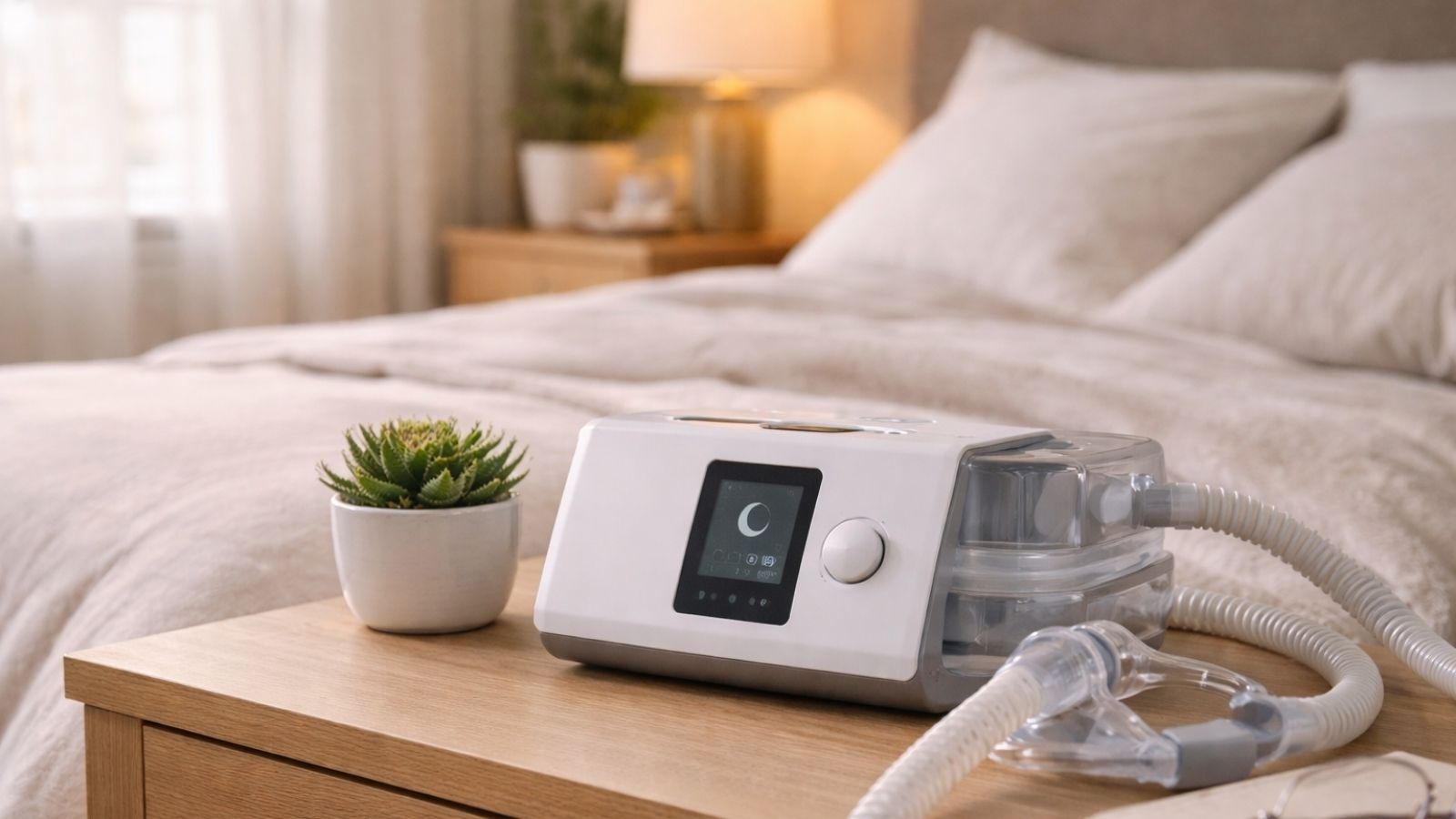
Treatment may include CPAP, oral appliance therapy, positional therapy, lifestyle changes, or other options depending on the patient. NHLBI describes treatment options that include lifestyle changes, PAP therapy, oral devices, medicines for certain patients, mouth and facial muscle therapy, and surgical procedures. (NHLBI)
For patients with cardiovascular risk, sleep apnea treatment should be integrated into the broader care plan. That may include communication with the primary care physician, cardiologist, or other specialists.
Our follow-up care model includes ongoing monitoring, data review, treatment adjustments, and coordinated care so sleep treatment is not isolated from the rest of the patient's health.
The Bottom Line
If your blood pressure is difficult to control and your sleep is poor, do not automatically treat those as unrelated problems.
Sleep apnea is not the only possible explanation. But it is common, clinically important, and often missed.
A thorough sleep evaluation can help determine whether breathing during sleep may be contributing to the daytime numbers your doctor is trying to manage.
If you have high blood pressure, persistent fatigue, snoring, morning headaches, or poor-quality sleep, our practice can help you evaluate whether sleep apnea may be part of the picture.
Meet Your Sleep Specialist
Dr. Bertrand R. Desilva, MD, FCCP, DABSM
Board-certified sleep medicine specialist with 35+ years of clinical experience. Education-first, patient-centered care that takes the time to get it right.
About Dr. Desilva