Sleep Apnea in Women: Why Fatigue, Insomnia, and Menopause Symptoms Get Misread
.jpg?dpl=dpl_2rbzr4Leuvt5PZSHajaHsnCjJENu) Dr. Bertrand R. DesilvaMD, FCCP, DABSM6 min read
Dr. Bertrand R. DesilvaMD, FCCP, DABSM6 min read
Many women with sleep apnea do not come in saying, "I think I stop breathing at night."
They come in saying something else.
"I am exhausted all the time." "I wake up throughout the night." "I cannot concentrate like I used to." "My anxiety is worse." "I thought it was menopause, but something feels off." "I sleep long enough, but I never feel rested."
Those symptoms are real. They are also easy to mislabel.
In women, sleep apnea is often missed because it does not always look like the classic version many people were taught to recognize: an older man, loud snoring, obvious pauses in breathing, and daytime sleepiness.
Women can have those symptoms too. But many women present differently.
Sleep Apnea Does Not Always Look "Classic" in Women
Sleep apnea symptoms in women may include fatigue, insomnia, anxiety, depression, morning headaches, daytime sleepiness, and frequent waking during the night. NHLBI specifically notes that women may be more likely to report anxiety, daytime sleepiness, depression, morning headaches, insomnia, tiredness, and waking often during sleep. (NHLBI)
That matters because these symptoms are commonly attributed to other causes.
Stress. Hormones. Aging. Depression. Anxiety. Burnout. Perimenopause. Poor sleep habits.
Sometimes those are part of the picture. But they should not be used to dismiss the possibility of sleep apnea.
In our practice, we take these symptoms seriously because sleep apnea is a breathing disorder that can affect the entire body. It does not always announce itself with dramatic snoring.
Why Women Are Missed
Many sleep apnea screening tools were built around the symptom patterns most commonly seen in men. They often emphasize loud snoring, witnessed pauses, neck circumference, body weight, and daytime sleepiness.
Those questions can be useful. They are not enough.
Women may report insomnia instead of sleepiness. They may wake frequently but not know why. Their partner may not notice dramatic gasping. They may be thinner than the stereotype. Their snoring may be lighter, intermittent, or embarrassing enough that they never mention it.
Our women's sleep health page addresses this directly: women are often dismissed because symptoms like fatigue, insomnia, mood changes, and morning headaches are attributed to stress, hormones, or mental health before sleep apnea is considered.
That is how a treatable breathing disorder can be missed for years.
Menopause Can Complicate the Picture
Menopause deserves special attention.
NHLBI explains that women may be at increased risk for sleep apnea during and after menopause, partly because of hormone changes. It also notes that menopause can cause insomnia, headaches, and fatigue, which may make sleep apnea harder to recognize. (NHLBI)
That overlap is the problem.
A woman in her 40s, 50s, or 60s may develop worsening sleep, morning headaches, mood changes, brain fog, or daytime fatigue and be told, "That is just menopause." But menopause and sleep apnea can coexist. One does not rule out the other.
In our evaluations, we do not assume every symptom is hormonal. We look at the full clinical picture: breathing, sleep quality, oxygen levels, medical history, blood pressure, weight changes, nasal breathing, jaw structure, and nighttime awakenings.
"I Don't Snore" Does Not Rule It Out
This is one of the most important points.
Not snoring does not automatically rule out sleep apnea.
NHLBI states that because women may not have classic symptoms such as snoring, they may not think they have sleep apnea, and it is important to talk to a healthcare provider if symptoms or risk factors are present. (NHLBI)
Some women do snore loudly. Others have quieter breathing disruptions, frequent arousals, morning headaches, insomnia, or unexplained fatigue.
The absence of one symptom should not override the presence of several others.
Symptoms Worth Evaluating
A sleep evaluation may be appropriate if you experience:
- Persistent fatigue despite enough time in bed
- Insomnia or frequent nighttime waking
- Morning headaches
- Brain fog or memory problems
- Mood changes, anxiety, or depression
- Dry mouth on waking
- Waking up gasping, choking, or with a racing heart
- High blood pressure
- Frequent nighttime urination
- New or worsening snoring
- Sleep problems that became worse during perimenopause or menopause
Mayo Clinic lists morning headaches, trouble focusing, mood changes, high blood pressure, and daytime sleepiness among obstructive sleep apnea symptoms. It also advises medical evaluation when snoring is loud, breathing pauses are noticed, or daytime drowsiness is significant. (Mayo Clinic)
The pattern matters. One symptom by itself may not mean sleep apnea. Several symptoms together deserve a closer look.
Why Testing Matters
A sleep study is the way we move from suspicion to evidence.
For many women, a home sleep test may be appropriate. For others, especially when symptoms are complex or a previous home test was negative or inconclusive, an in-lab study may be needed.
Our sleep study process includes both home sleep tests and in-lab polysomnography. Home testing measures breathing, oxygen, heart rate, and position. In-lab testing provides more detailed information, including brain waves, sleep stages, leg movements, and detailed breathing patterns.
The goal is not to force every patient into a lab study. The goal is to choose the right test for the actual question.
Treatment Should Be Personalized
If sleep apnea is diagnosed, treatment should match the patient.
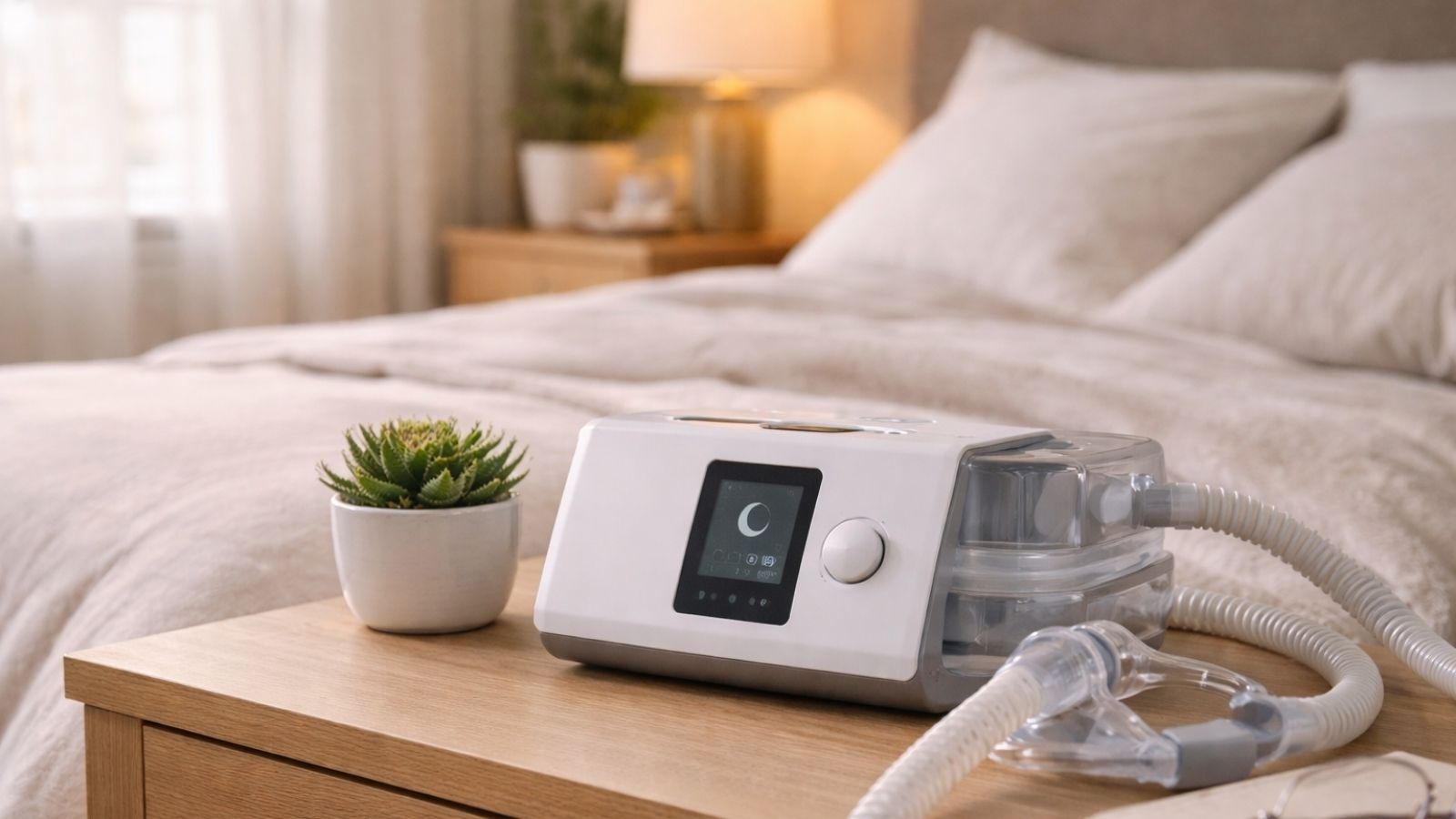
Some women do well with CPAP. Others need additional mask support, pressure adjustments, oral appliance therapy, positional therapy, nasal treatment, lifestyle changes, or follow-up testing after treatment begins.
NHLBI lists positive airway pressure, oral devices, lifestyle changes, mouth and facial muscle therapy, and selected surgical options among sleep apnea treatments. (NHLBI)
There is no single treatment that fits every patient. There is also no reason to accept feeling exhausted for years without a real evaluation.
The Bottom Line
Sleep apnea in women is often missed because it can look like fatigue, insomnia, anxiety, depression, headaches, or menopause-related sleep disruption.
Those symptoms should not be dismissed automatically.
If your sleep changed during perimenopause or menopause, if you wake up unrefreshed, if your fatigue does not match your lifestyle, or if you have been told your symptoms are "just stress" but something still feels wrong, a sleep evaluation may be appropriate.
Our practice is built to look beyond the obvious checklist and evaluate the full pattern of symptoms, risk factors, and sleep data.
Meet Your Sleep Specialist
Dr. Bertrand R. Desilva, MD, FCCP, DABSM
Board-certified sleep medicine specialist with 35+ years of clinical experience. Education-first, patient-centered care that takes the time to get it right.
About Dr. Desilva