10 Signs Your Exhaustion Isn't Normal
.jpg?dpl=dpl_2rbzr4Leuvt5PZSHajaHsnCjJENu) Dr. Bertrand R. DesilvaMD, FCCP, DABSM5 min read
Dr. Bertrand R. DesilvaMD, FCCP, DABSM5 min read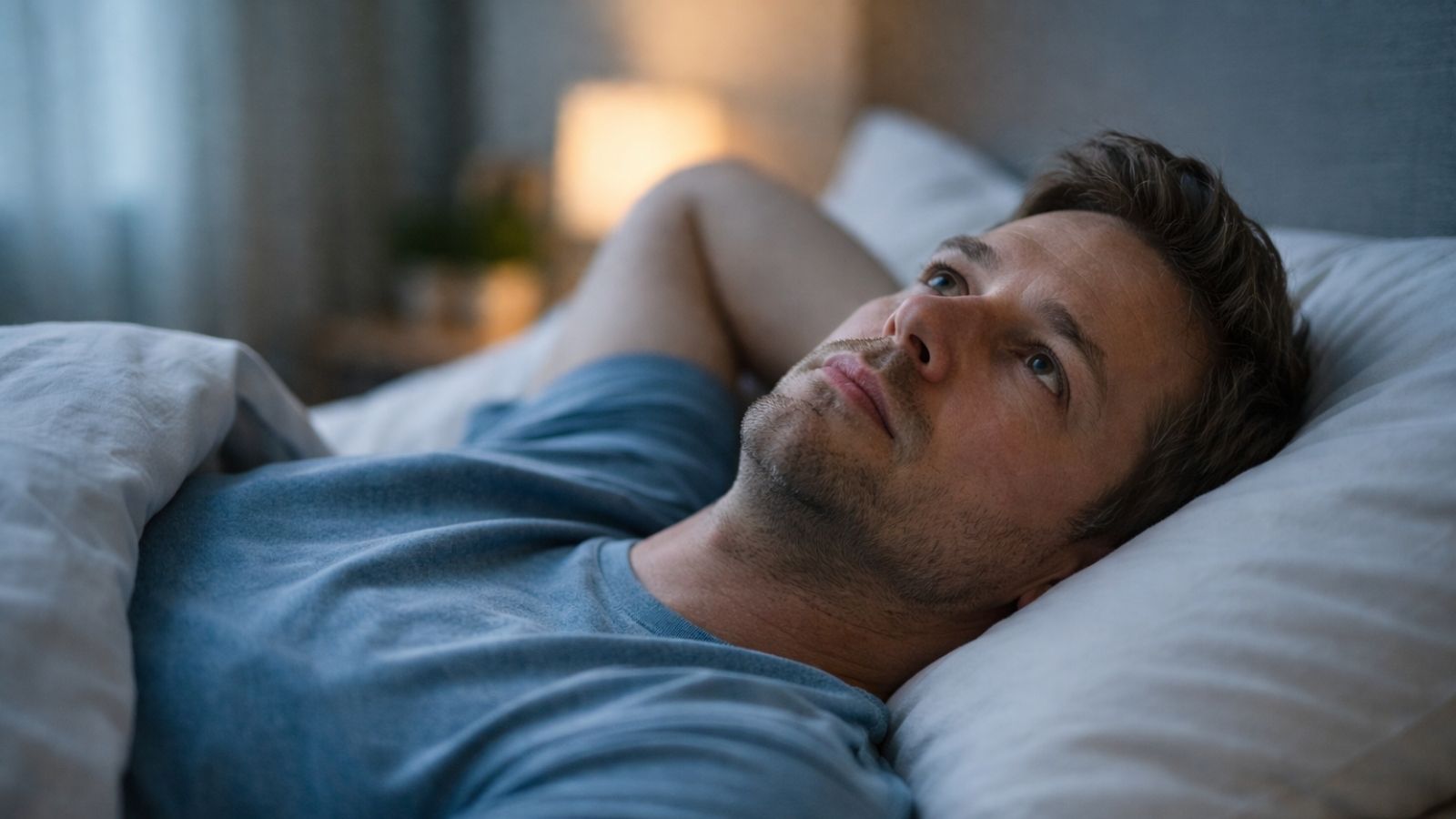
Everyone feels tired sometimes. A rough night, a stressful week, a newborn at home — fatigue makes sense in context. But when exhaustion becomes your baseline, when no amount of sleep seems to recharge you, that's worth paying attention to.
Here are 10 signs that your tiredness may be more than "normal":
1. You Sleep 7–8 Hours But Wake Up Exhausted
You're doing everything right — going to bed on time, getting enough hours — but you still wake up feeling like you barely slept. This is one of the hallmark signs of sleep apnea: your sleep quantity looks fine, but your sleep quality is profoundly disrupted.
2. You Can't Function Without Caffeine
If your morning coffee has become a survival tool rather than a ritual, your body may be compensating for sleep that isn't actually restorative. Relying on caffeine to get through the afternoon is especially telling.
3. You Have Brain Fog or Memory Problems
Struggling to concentrate, forgetting things mid-sentence, or feeling mentally "slow" can all result from fragmented sleep. Your brain consolidates memories and clears waste products during deep sleep — if that's being interrupted dozens of times per hour, cognitive function suffers.
4. Your Partner Says You Snore
Snoring doesn't always mean sleep apnea, but loud, chronic snoring — especially with pauses or gasping — is a strong indicator. Many people don't know they snore until a partner tells them.
5. You Wake Up With Headaches or a Dry Mouth
Morning headaches can result from oxygen drops during sleep. A consistently dry mouth suggests you're sleeping with your mouth open, which is common in people whose airways are partially obstructed.
6. You're Irritable or Moody for No Clear Reason
Sleep deprivation affects emotional regulation. If you find yourself snapping at people, feeling inexplicably anxious, or dealing with low mood, poor sleep quality could be a contributing factor.
7. You Fall Asleep at Inappropriate Times
Dozing off during meetings, while watching TV, or — more concerning — while driving, suggests significant daytime sleepiness beyond normal tiredness.
8. You Wake Up Frequently to Use the Bathroom
Nocturia (frequent nighttime urination) is a lesser-known symptom of sleep apnea. The body produces a hormone called atrial natriuretic peptide during apnea events, which increases urine production.
9. You've Been Told "It's Just Stress" or "It's Your Age"
Many people — especially women — describe being dismissed by healthcare providers when they report persistent fatigue. If you've been told your exhaustion is "just" menopause, "just" stress, or "just" aging, it may be worth investigating further.
10. You've Tried Everything and Nothing Works
Better sleep hygiene, supplements, exercise, diet changes — if you've made all the right moves and still feel exhausted, the problem may not be behavioral. It may be structural.
What to Do Next
If several of these signs resonate with you, consider speaking with a sleep specialist. A simple home sleep test can often provide answers. Sleep apnea affects an estimated 1 in 5 adults, and 80% of cases go undiagnosed.
Your exhaustion isn't something you have to accept. It may have a clear, treatable cause.
If you're experiencing persistent fatigue and want to explore whether sleep apnea could be a factor, Dr. Desilva offers telehealth consultations for patients throughout California.
Meet Your Sleep Specialist
Dr. Bertrand R. Desilva, MD, FCCP, DABSM
Board-certified sleep medicine specialist with 35+ years of clinical experience. Education-first, patient-centered care that takes the time to get it right.
About Dr. Desilva