What Actually Happens When You Have Sleep Apnea
.jpg?dpl=dpl_2rbzr4Leuvt5PZSHajaHsnCjJENu) Dr. Bertrand R. DesilvaMD, FCCP, DABSM8 min read
Dr. Bertrand R. DesilvaMD, FCCP, DABSM8 min read
Most people think sleep apnea is a snoring problem. It's not. Snoring is a symptom — sometimes the most obvious one — but what's actually happening during sleep apnea is far more serious and far more mechanical than most people realize.
The Basic Mechanism
When you fall asleep, the muscles in your throat relax. For most people, this isn't a problem — the airway stays open, breathing continues normally.
But in obstructive sleep apnea (OSA), the soft tissues at the back of the throat collapse inward, partially or completely blocking the airway. It's like trying to breathe through a straw that keeps getting pinched shut.
The Cycle: Collapse, Suffocate, Wake, Repeat
Here's what happens, over and over, throughout the night:
- You fall asleep. Your muscles relax, including the ones that hold your airway open.
- Your airway collapses. Air can't flow normally. You may snore loudly as air forces past the narrowed passage, or breathing may stop entirely.
- Oxygen levels drop. Without adequate airflow, the oxygen in your blood starts falling. Your organs — especially your brain and heart — aren't getting what they need.
- Your brain panics. Sensing the oxygen drop, your brain triggers a micro-arousal — a brief, partial awakening that tenses your throat muscles just enough to reopen the airway.
- You gasp and breathe. Sometimes this is audible — a choking or gasping sound. Sometimes it's completely silent.
- You fall back asleep. And the cycle begins again.
This can happen 5 times an hour (mild sleep apnea), 15–30 times an hour (moderate), or more than 30 times an hour (severe). Some patients experience 60–90 events per hour. That means their sleep is interrupted every 40–60 seconds, all night long.
Why You Don't Remember
Most people with sleep apnea have no idea this is happening. These micro-arousals are too brief to reach full consciousness. You never fully wake up — but you never reach the deep, restorative stages of sleep either. Your sleep architecture is shattered without your knowledge.
This is why the classic sleep apnea experience isn't "I keep waking up." It's "I slept 8 hours and I'm still exhausted."
What This Does to Your Body
The cumulative effect of years of this cycle is significant:
Heart and Cardiovascular System Every apnea event triggers a surge of stress hormones — adrenaline and cortisol. Your heart rate spikes, your blood pressure rises. Night after night, this creates chronic cardiovascular stress. Sleep apnea is independently linked to: - Hypertension (high blood pressure) - Atrial fibrillation (irregular heartbeat) - Heart attack - Stroke - Heart failure
Metabolic Effects Sleep disruption impairs insulin sensitivity and glucose metabolism. Untreated sleep apnea is associated with: - Type 2 diabetes - Weight gain and difficulty losing weight - Metabolic syndrome
Brain Function Chronic sleep fragmentation and intermittent hypoxia (oxygen drops) affect: - Memory consolidation - Executive function and decision-making - Emotional regulation - Reaction time
Mental Health There is a strong, well-documented link between untreated sleep apnea and: - Depression - Anxiety - Irritability - Cognitive decline
Who Gets Sleep Apnea?
This is where misconceptions cause real harm. The stereotypical sleep apnea patient is an overweight older man who snores loudly. While excess weight is a risk factor, sleep apnea also affects:
- Fit, healthy-weight individuals
- Women, especially during and after menopause
- Young adults
- People with certain facial anatomy or small airways
- Athletes
Women are particularly underdiagnosed because their symptoms often look different — insomnia, fatigue, anxiety, and depression rather than obvious snoring and witnessed apneas.
How It's Measured
Sleep apnea severity is measured by the Apnea-Hypopnea Index (AHI) — the number of breathing disruptions per hour of sleep:
- Normal: fewer than 5 events per hour
- Mild: 5–15 events per hour
- Moderate: 15–30 events per hour
- Severe: more than 30 events per hour
A home sleep test or an in-lab sleep study can measure this.
The Good News
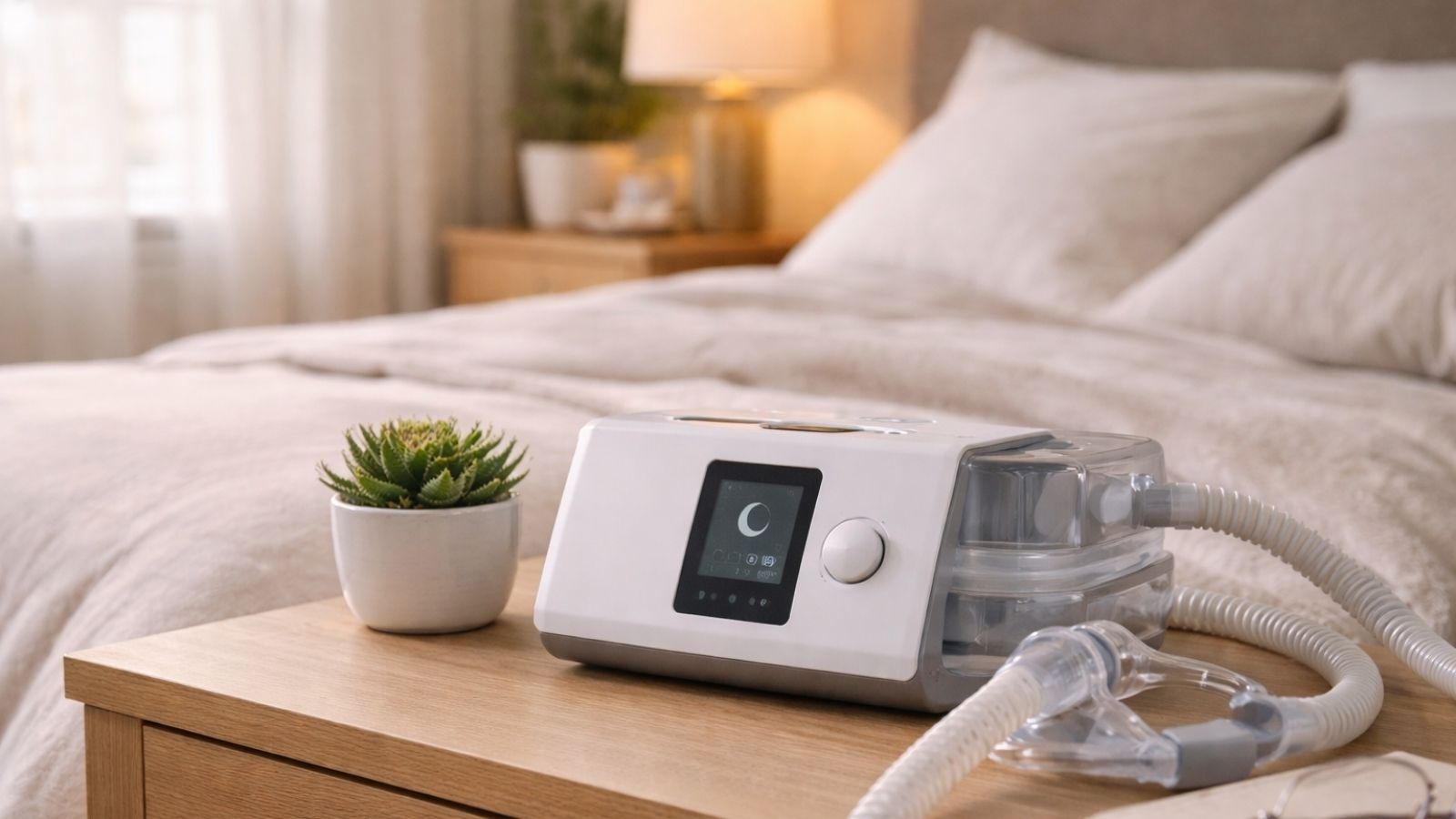
Sleep apnea is highly treatable. CPAP therapy, oral appliances, positional therapy, and other approaches can dramatically reduce or eliminate apnea events. Many patients report feeling like a different person once treatment begins — better energy, better mood, clearer thinking, better health.
The challenge isn't treatment. It's awareness. With 80% of cases undiagnosed, the biggest barrier is simply recognizing that this might be happening to you.
If you suspect sleep apnea may be affecting your health, a consultation with a board-certified sleep specialist can provide clarity and a path forward.
Meet Your Sleep Specialist
Dr. Bertrand R. Desilva, MD, FCCP, DABSM
Board-certified sleep medicine specialist with 35+ years of clinical experience. Education-first, patient-centered care that takes the time to get it right.
About Dr. Desilva